PétanqueLand: free pétanque tools, rules & calendars

🎯 Pétanque with Paquita

Welcome to PÉTANQUELAND

The site that's 100% pétanque : humour that stings, tools that save the day, methods that make you better. Shooter or pointer, you're in the right place. 💥

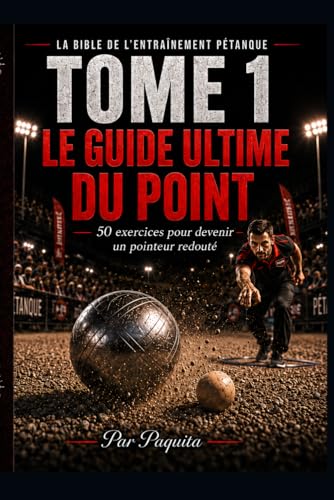
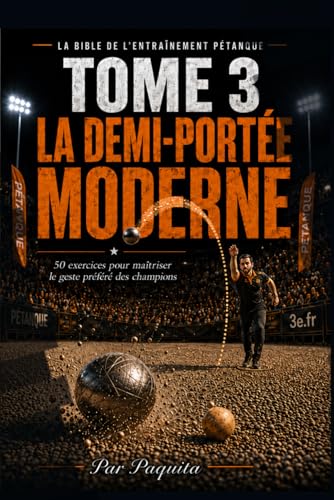
🛍️ The shop at PétanqueLand
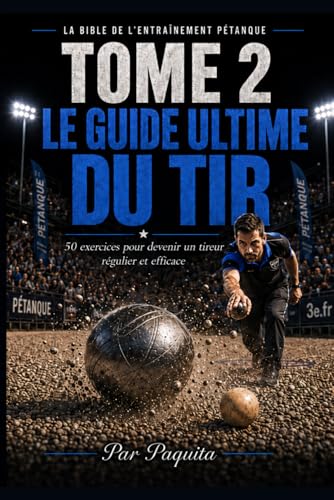
📦 Everything you'll find here

🎬 Who is Paquita ?

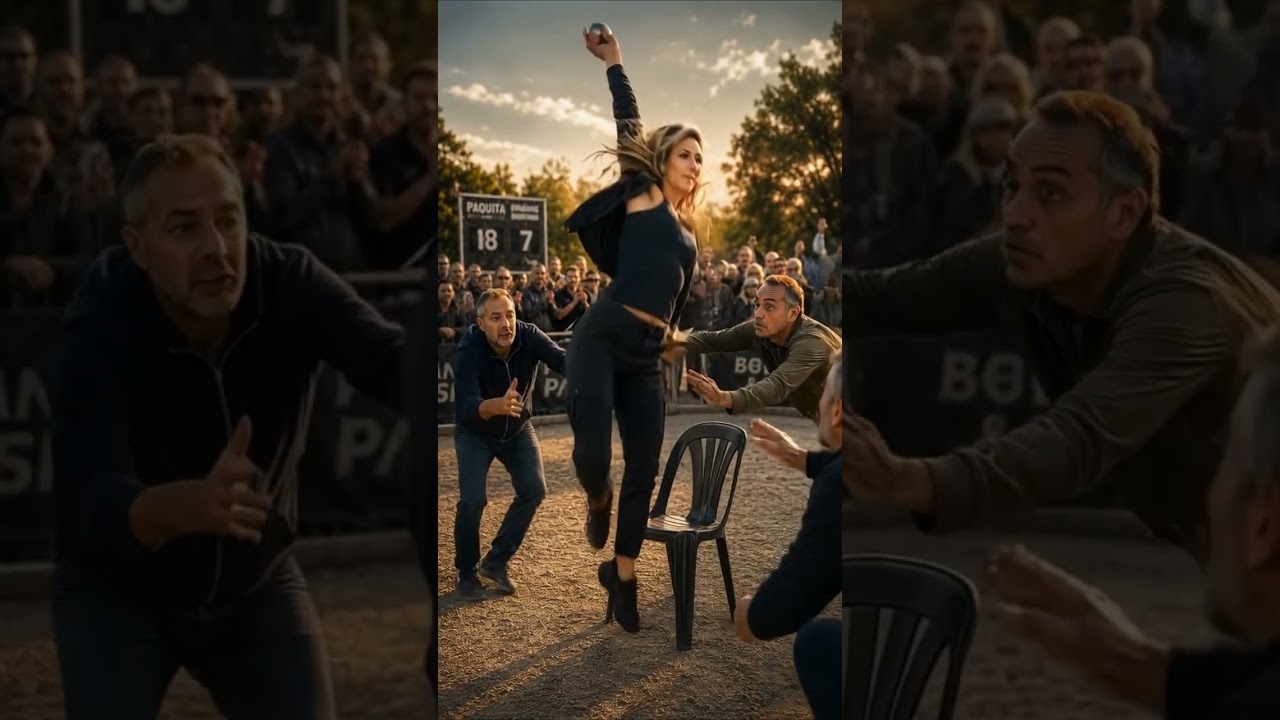
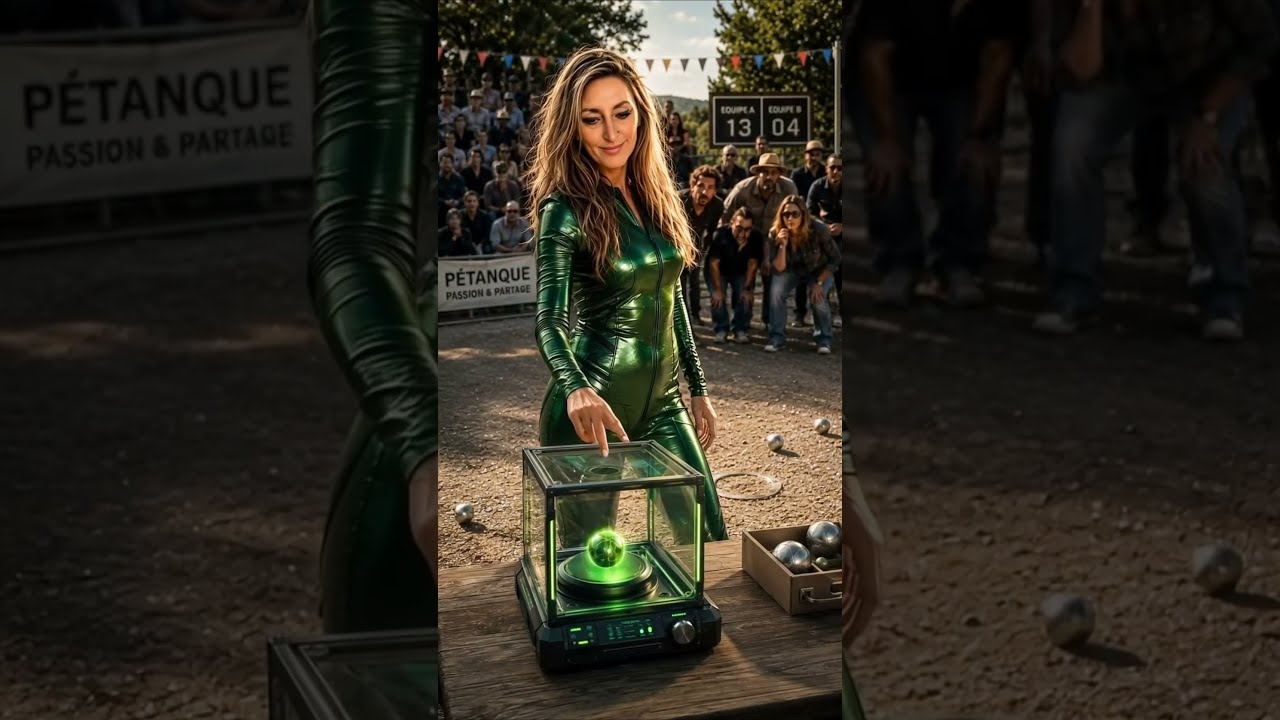
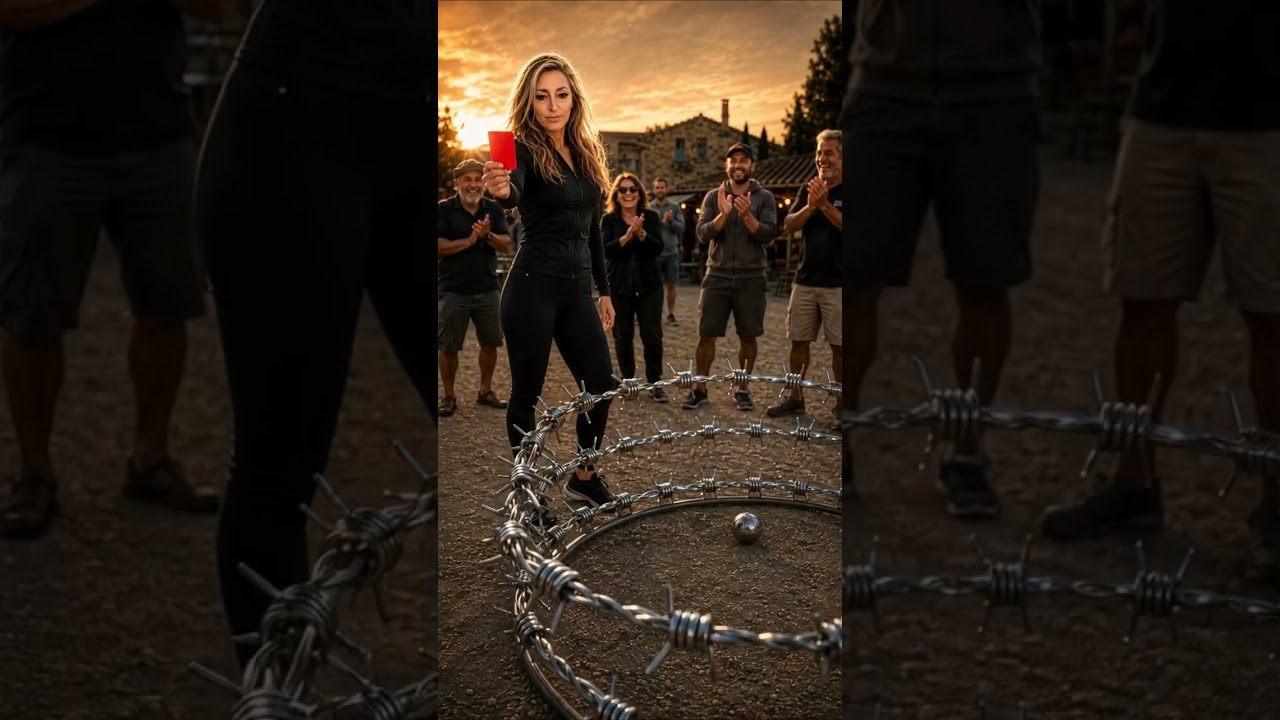
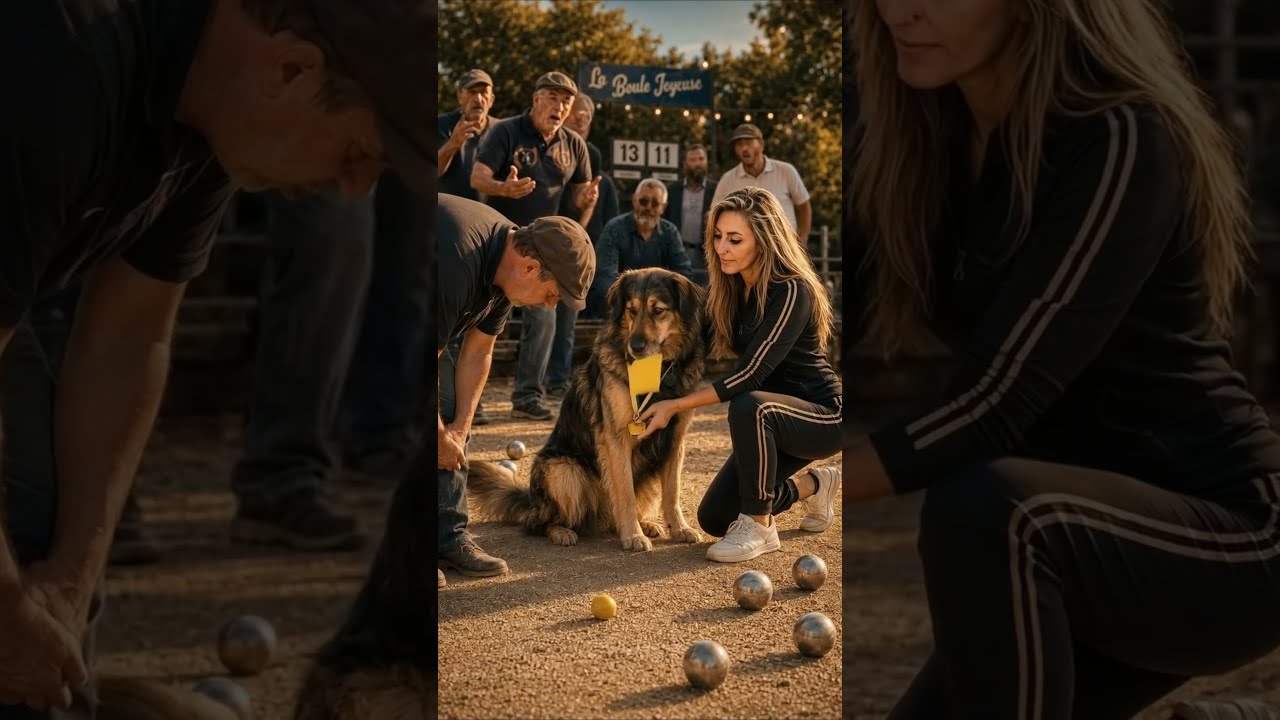
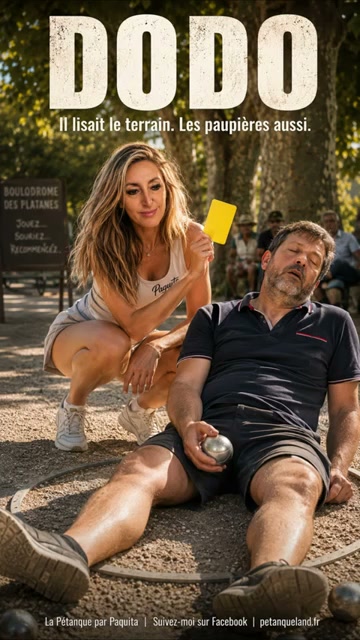
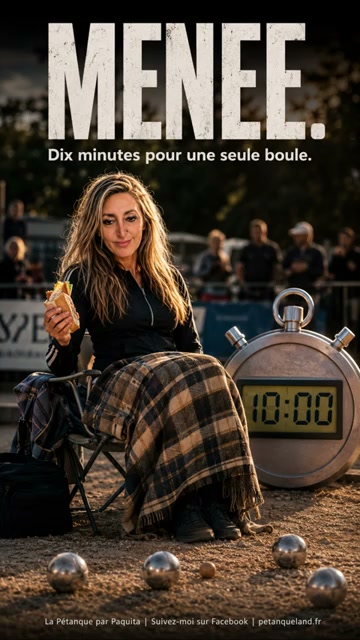
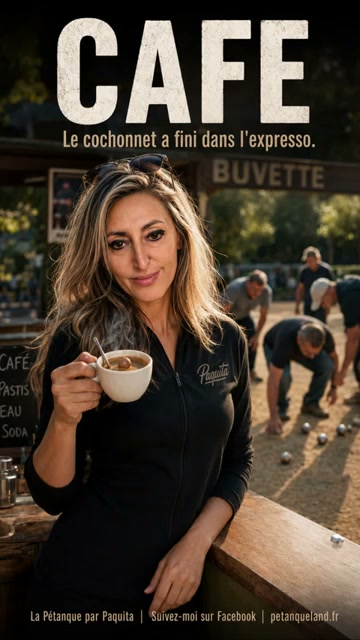
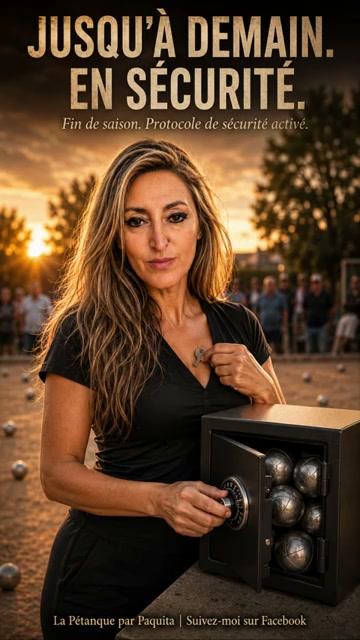
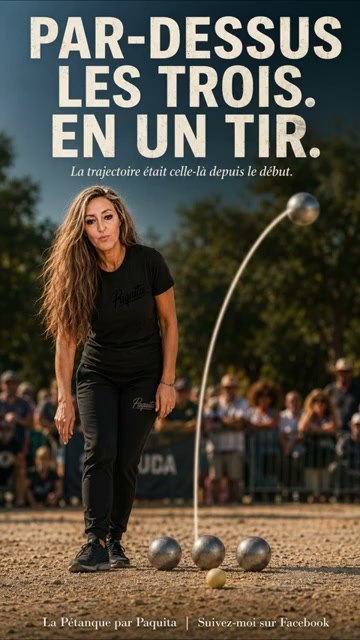
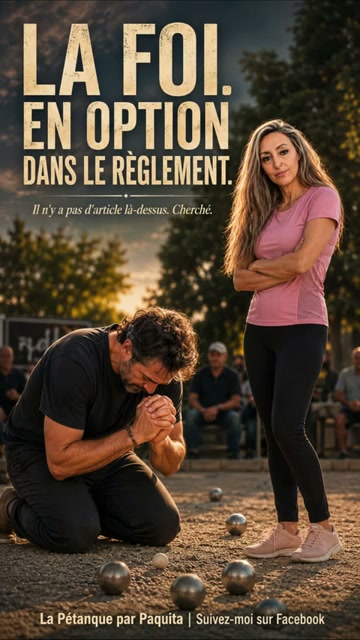
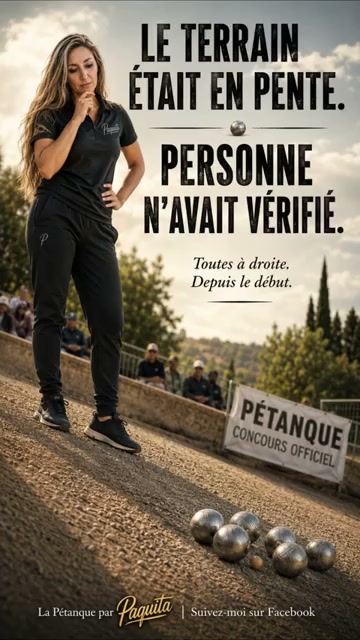
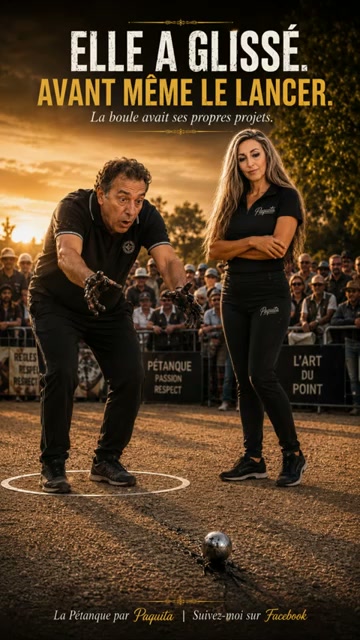
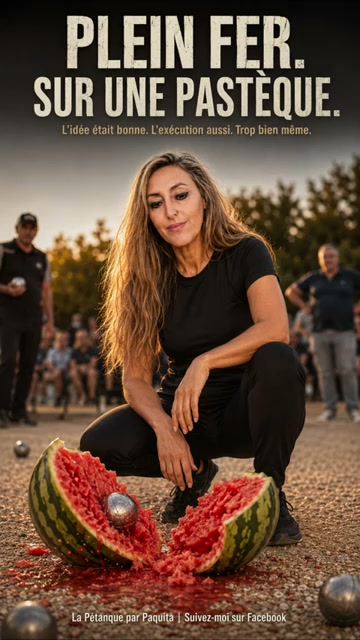
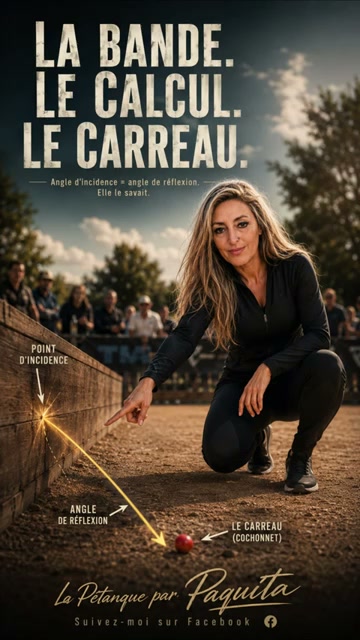
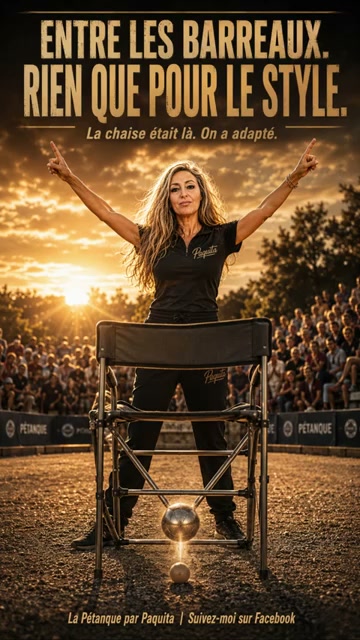
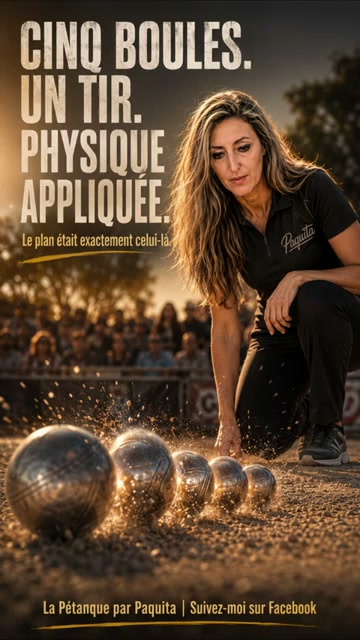
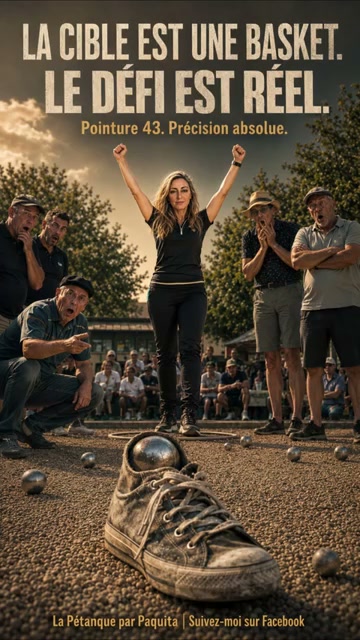
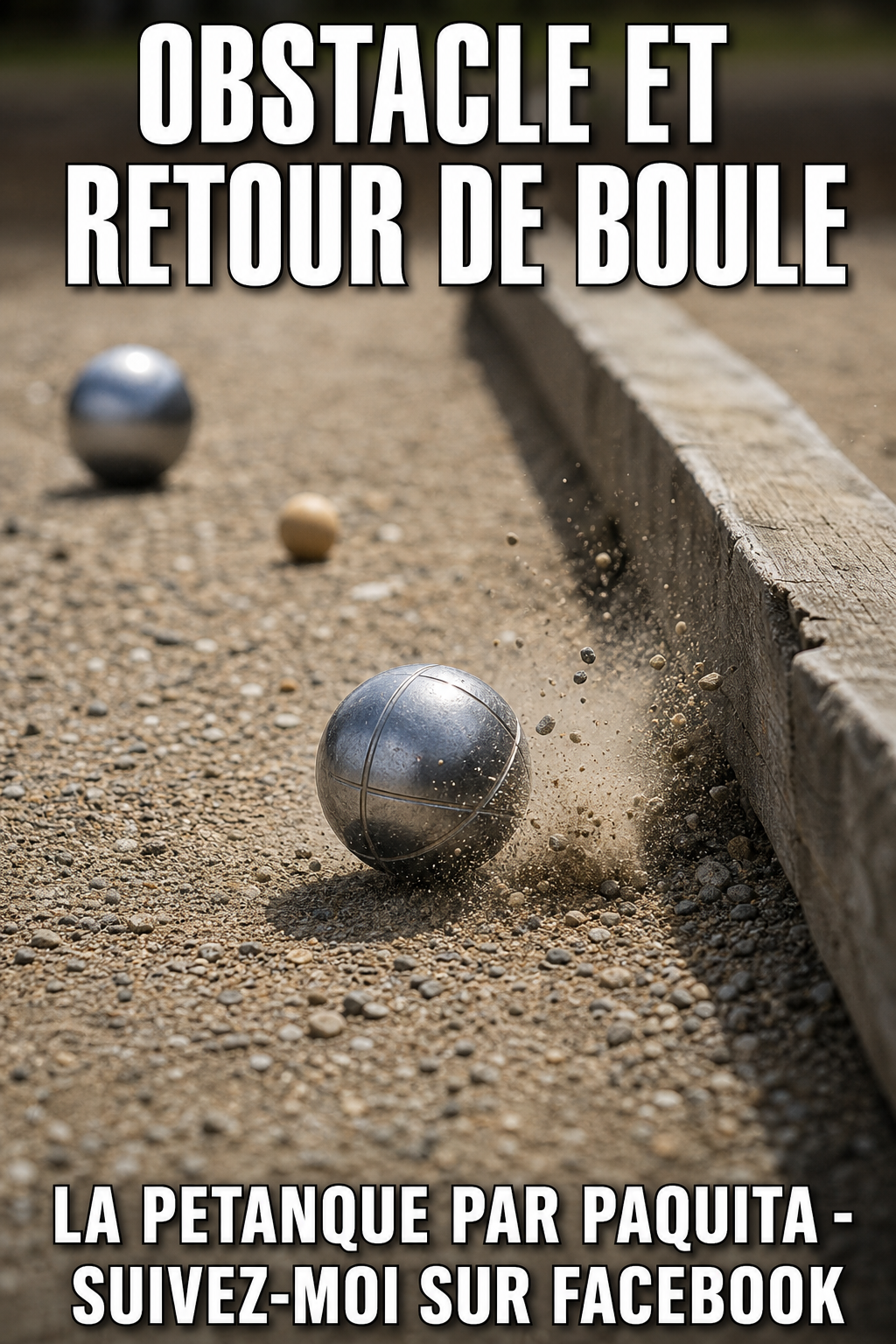
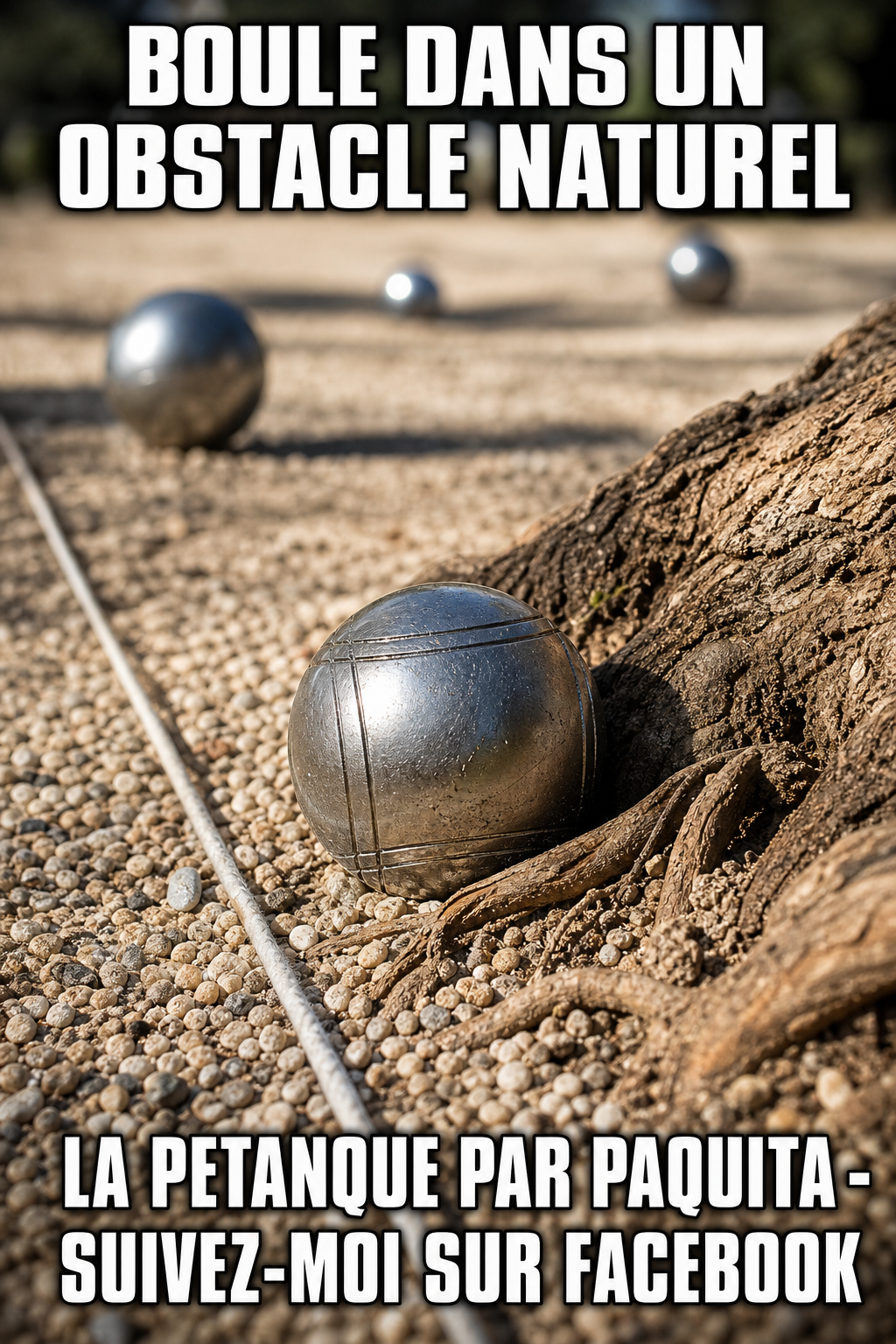
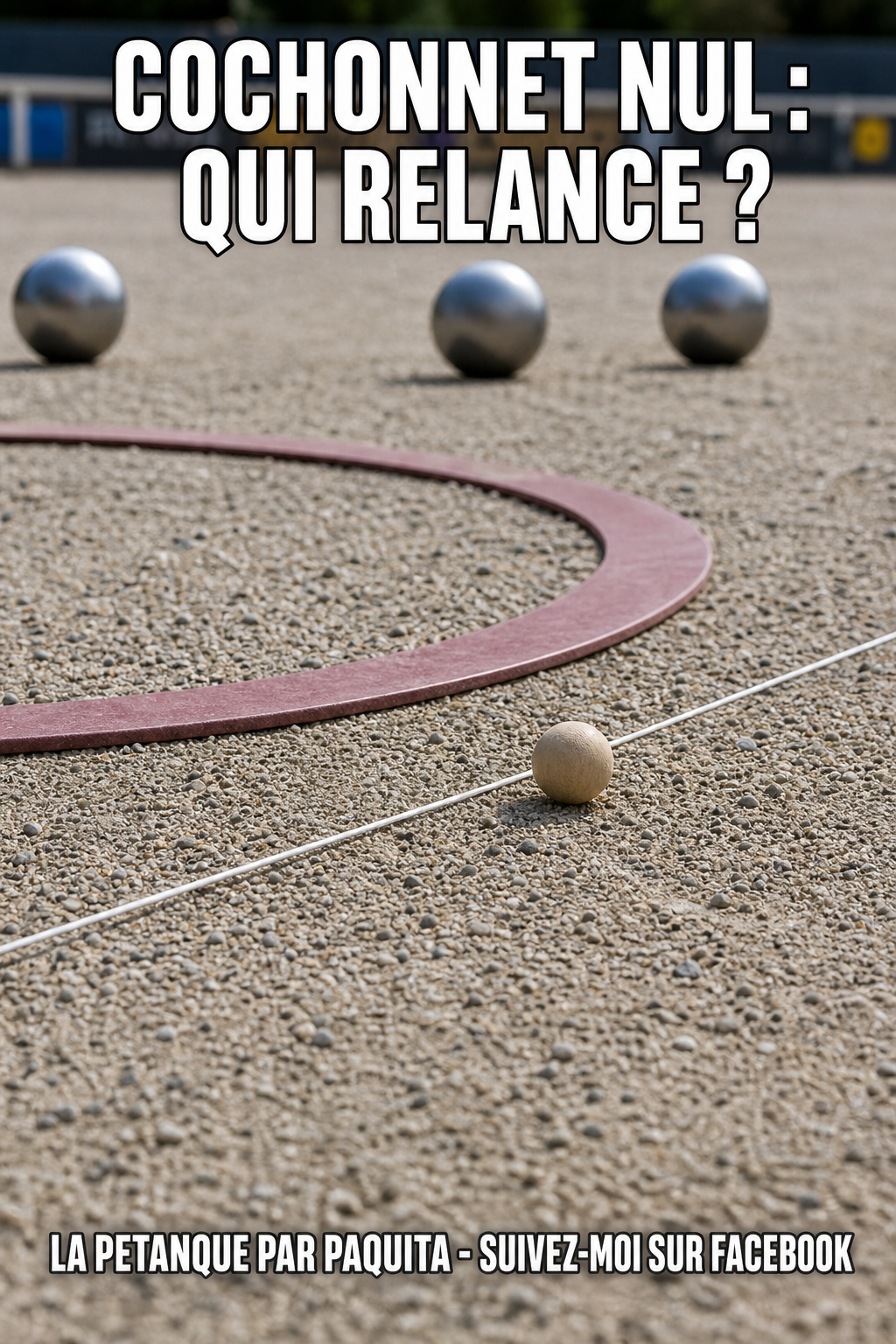
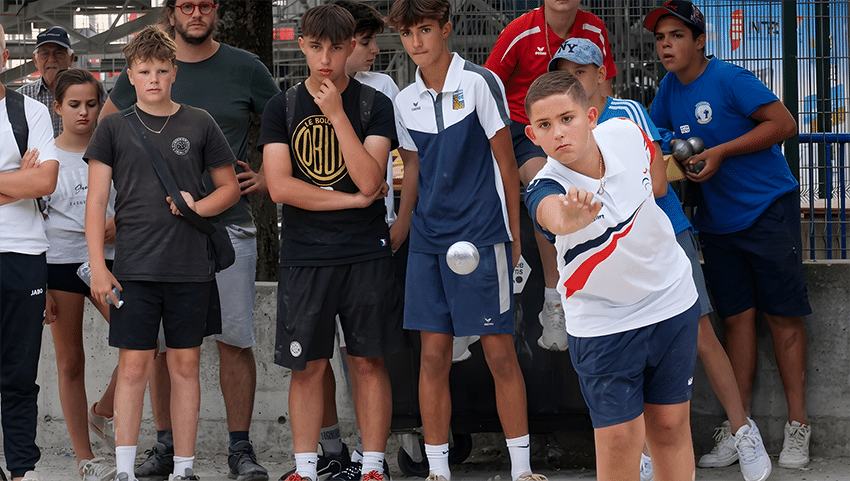
Pétanque with Paquitais the offbeat world of a woman in love with the boulodrome. In her comedy videos, Paquita acts out the absurd situations every pétanque player knows: the professional moaner, the giver of unwanted advice, the one who always blames the court, the endless “who shoots?” debates… Humour that speaks to anyone who has ever set foot in a circle.

🤝 Join the community

Relentless shooter, tactical pointer or bar-side spectator: PétanqueLand is your new HQ. Follow us on social media so you never miss a video!

Videos

Videos — Pétanque with Paquita

View

All articles

❓ Pétanque FAQ

20 useful questions and answers for beginners and experienced players.
20 Q&A
1.What is the normal distance for the jack?+
For seniors, the jack must be thrown between 6 and 10 metres from the circle (and at least 1 m from any obstacle). If it lands outside those limits, it is thrown again. Remember to check the playing area, the circle and the boundaries before every throw.
2.How many boules per player?+
In singles and doubles: 3 boules per player. In triples: 2 boules each. It's a basic that many beginners get wrong — always check the format before you start.
3.Who plays first in an end?+
The team that scored in the previous end throws the jack and plays the first boule. After that, it is always the team that does not hold the point that plays, until it takes the advantage back or runs out of boules.
4.Can you put a foot outside the circle?+
No. Both feet must stay on the ground, inside the circle, until the boule touches the ground. Stepping out or lifting a foot is a foul (warning, then the boule is annulled if it happens again).
5.How long do you have to play a boule?+
The rules allow 1 minute to play your boule (from the moment the court is clear). Beyond that, the referee may penalise you. A simple routine — look, set up, throw — is more than enough to stay within the time.
6.How do you know which team holds the point?+
The team whose boule is closest to the jack “holds the point”. If in doubt, you measure — without moving the boules before the result is agreed, to avoid any dispute.
7.Can you measure at any time?+
Yes, whenever there is doubt about the point. Do it calmly, with a tape measure or a rule, without knocking the boules. If the disagreement persists, the referee measures and decides.
8.Does a boule that leaves the court still count?+
A boule that crosses the boundaries of the playing area is dead : it is removed and no longer counts for the end. Which is why you should identify the court boundaries before you start, especially outdoors.
9.What if the jack is moved?+
It all depends where the jack comes to rest: if it stays within the limits, the end continues; if it leaves the authorised area, the end is void and the jack is thrown again. Tip: mark the jack's position at the start of the end to avoid arguments.
10.Can you rub out a mark on the ground?+
No. During the game you must neither alter the court nor erase or dig out markers (you may only fill in, once, the hole made by your own boule). Any action that changes the court to your advantage is forbidden.
11.What is the difference between pointing and shooting?+
Pointing = placing your boule as close as possible to the jack. Shooting = striking a boule (usually the opponent's) to knock it away. A good player masters both, but the advice is to secure the point before going for the shot.
12.Do you have to shoot hard to shoot well?+
No. A good shot relies on accuracy and a consistent action, not on power. A clean hit “au fer” (without touching the ground first) is worth far more than a violent, uncontrolled shot.
13.How do you choose your pétanque boules?+
Three criteria: the diameter to suit your hand (71–80 mm), the weight to suit your style (≈ 700–720 g for pointing, lighter for shooting), and the hardness. To start out, aim for a boule that is comfortable and consistent rather than a “magic” boule.
14.Does the court really affect the game?+
Enormously. A court that is rolling, sandy, hard or stony : each one changes the strategy. Watch the first boules and how they bounce to spot the fast and the slow areas before calling a point or a shot.
15.Can you talk while your opponent is playing?+
Out of respect and by the rules, you stay silent and still while your opponent plays. Comments, gestures or distracting movement can be penalised — and they spoil the atmosphere.
16.How do you avoid arguments during a game?+
Stay calm, measure as soon as there is doubt, announce decisions clearly and refer to the rules. Most arguments come from a lack of method, not from a real disagreement.
17.Is pétanque a sport you can take up at any age?+
Yes, and that is one of its great strengths: you can start at any age, for fun or in competition. The key is to learn the technical basics and the rules so you improve without frustration.
18.How do you improve quickly?+
Work on a steady routine, repeat the same distances, film yourself if you can and correct one thing at a time. Consistency will improve you far more than changing your equipment every week.
19.Why learn the rules when you play “just for fun”?+
Because it keeps games flowing and prevents tension. Even in casual play, knowing the basics (circle, order of play, scoring, boundaries) makes you play more correctly and understand competitions better.
20.Where can you find clear explanations of the rules?+
In our section “Rules explained” : one short, precise page per rule, with concrete examples. Ideal for checking a situation in 30 seconds.

🎯 Mini beginner's guide

20 simple, practical tips to play better without overcomplicating your life.
20 tips

1. Start with consistency

Don't chase the perfect shot. First learn to repeat the same clean action over several throws.

2. Look at the court before you play

Look for hard patches, gravel, slopes and bounces. The court already gives you part of your strategy.

3. Place your feet properly in the circle

A good starting stance keeps you stable, accurate and within the rules. Balance is the foundation.

4. Hold the boule without tensing up

A tense hand ruins the action. Hold the boule firmly but loosely to control the release better.

5. Look at the landing area

When pointing, aim at a landing zone, not just the jack. It improves how you read the bounce, and your accuracy.

6. Breathe before every throw

Calm breathing helps you slow down and avoid rushed throws. Very useful in competition.

7. Don't change your technique every other end

Test one adjustment at a time. Constantly changing your whole action stops you from learning what works.

8. Practise at several distances

Work short, medium and long. You'll be far more comfortable in a game when the jack distance changes.

9. Keep it simple when you're unsure

If you're torn between a risky shot and a solid point, the simple option usually pays best.

10. Watch the good players

Watch their rhythm, their positioning and their calm. You'll learn as much with your eyes as in training.

11. Keep a routine

The same sequence every time: look, set up, breathe, throw. A routine reduces stress.

12. Accept the bad shots

Everyone misses. What matters is playing the next boule well, not dwelling on the last one.

13. Talk clearly with your team

Announce the aim of the shot (point, shoot, block, play in front) to avoid misunderstandings.

14. Measure without losing your temper

When it's tight, you measure. Staying calm prevents 90% of the pointless arguments at the boulodrome.

15. Choose boules that feel comfortable

The right set of boules is the one you control well. Comfort comes before fashion or advertising.

16. Work on your pointing before your shooting

Good pointing wins you a huge number of ends. Shooting will come more easily once you have confidence.

17. Avoid playing too fast

Rushed throws usually mean badly weighted boules. Take three more seconds and you'll gain accuracy.

18. Learn the basic rules

Knowing who plays, when to measure and what is valid makes you instantly better and calmer.

19. Train in short but regular sessions

Twenty focused minutes several times a week beats one big irregular session.

20. Enjoy yourself

You improve faster when you keep enjoying the game. Serious about the action, light about the mood.

📋 Rules explained

50 rules

📅 2026 calendar extract

Auto

📬 The PétanqueLand newsletter

Videos, tips, new books & software — no spam, and you can unsubscribe in one click.