Règlement FFPJP · 15 July 2026
The carried jack in pétanque: allowed or forbidden according to the rules?
Jack carried, lifted, moved by a boule or a bounce: simple explanation of the official rule in pétanque.1.What is meant by carried jack
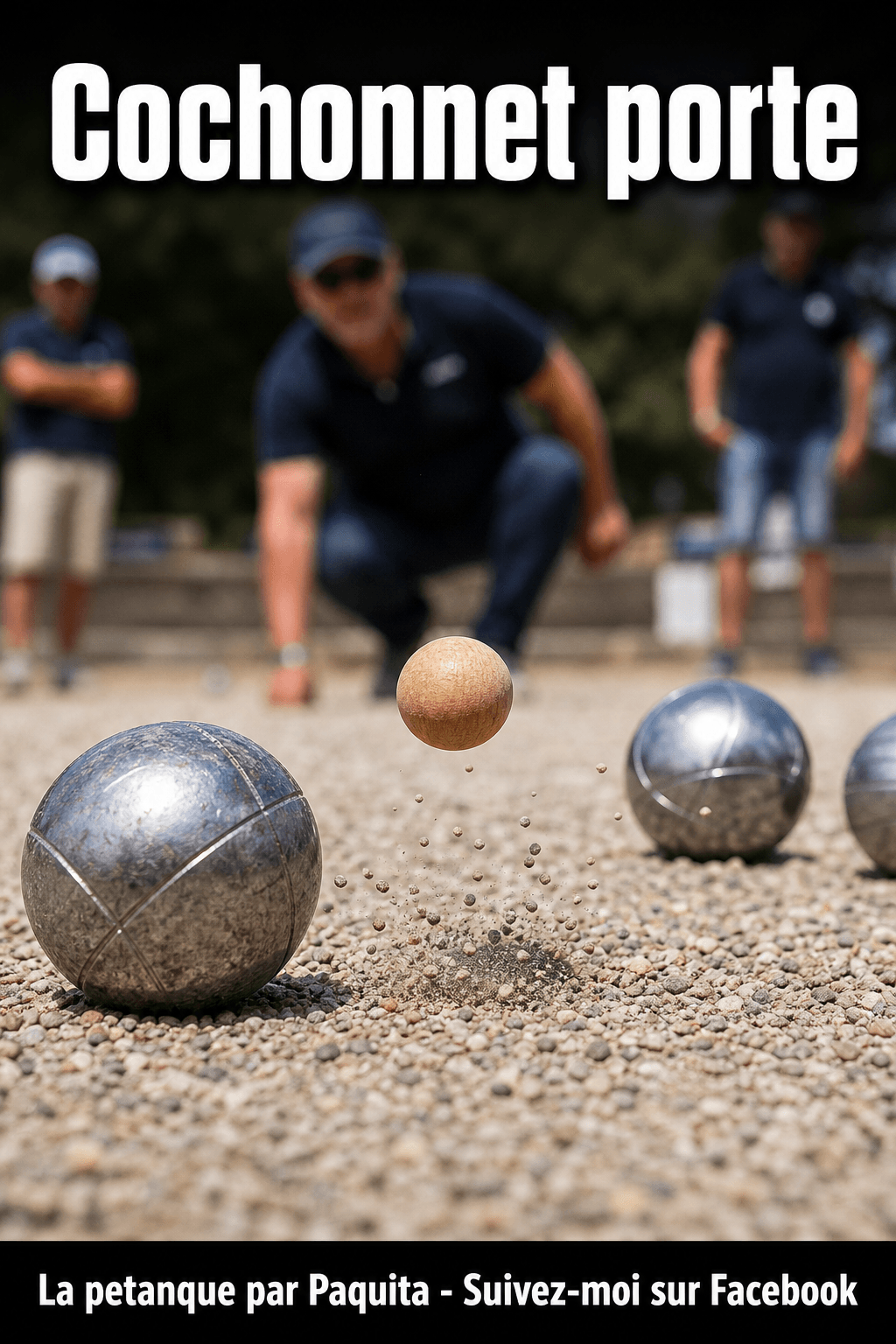
We often speak of a carried jack when a boule lifts it or carries it along in its movement. The term is handy, but it can be misleading. The rules don’t only judge the spectacular trajectory of the jack: above all they look at its final position, the validity of the court and the consequences for the remaining boules.
In competition, this detail isn't only there to avoid a penalty: it protects the fairness of the game. The better the rule is understood before the throw, the less it becomes a weapon for argument after the throw. A solid player doesn't wait for an incident to ask about the framework; they check, announce and play in a clear environment.
Don’t confuse “the jack jumped” and “the jack is dead”. A jack that bounces can remain perfectly valid if it ends up within the authorised framework.
2.If the jack stays in the court
When the jack is displaced but stays visible and valid in the court, the end continues taking its new position into account. This displacement can totally transform the tactics: a team that had the point can lose it, a distant boule can become excellent, a closed end can open up.
In competition, this detail isn't only there to avoid a penalty: it protects the fairness of the game. The better the rule is understood before the throw, the less it becomes a weapon for argument after the throw. A solid player doesn't wait for an incident to ask about the framework; they check, announce and play in a clear environment.
3.If the jack goes out or becomes dead
If the jack leaves the authorised court, becomes unfindable or lands in a zone where it’s no longer valid, you enter the rules of the dead jack. The number of boules remaining for each team then becomes decisive for knowing who scores or whether the end yields no point.
After an impact on the jack, first look at the jack’s final position, then only at the boules. Many disputes come from the reverse order.
4.Why marking changes everything
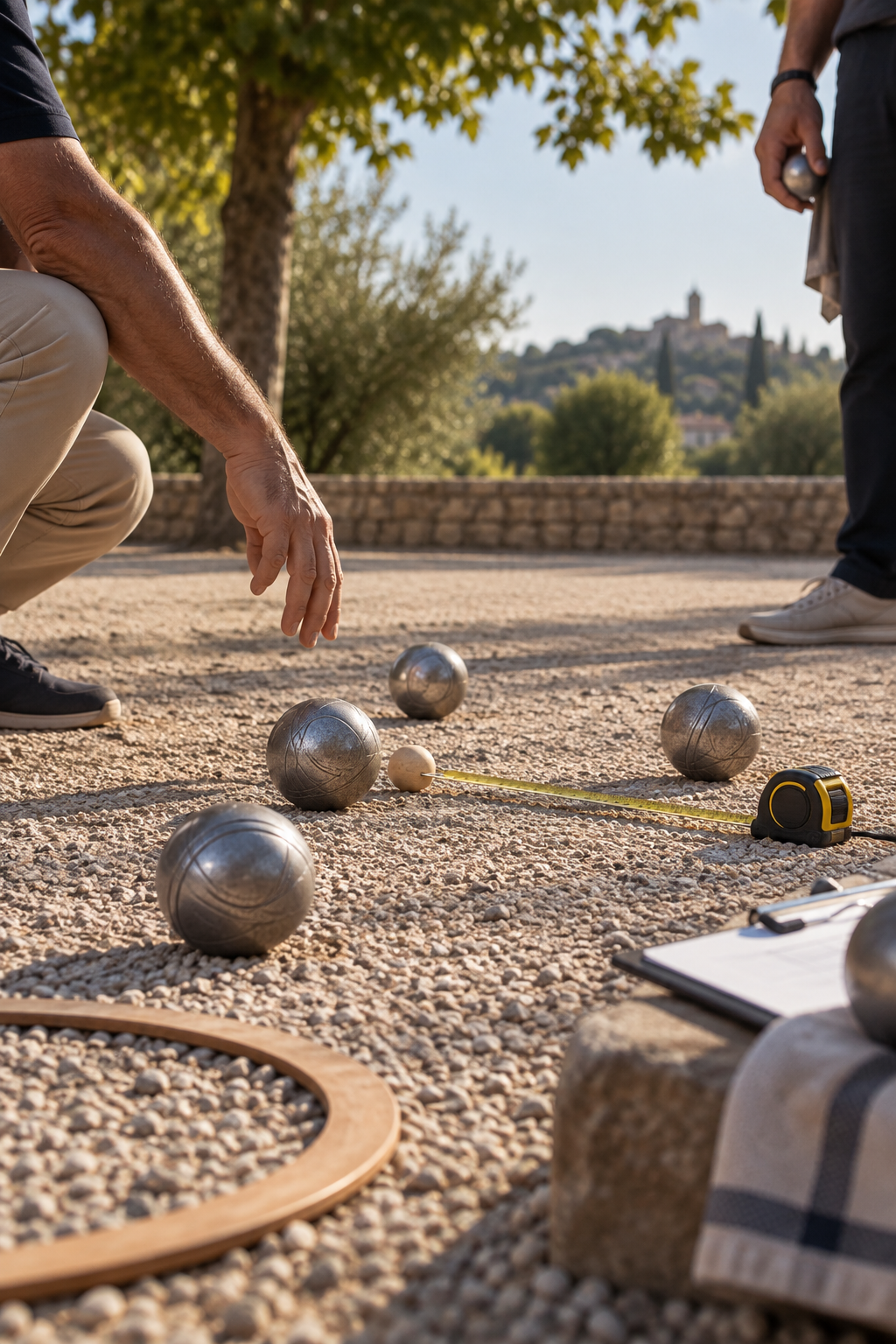
Marking the jack before sensitive shots lets you know where it came from. Even if the rules focus on the final position, the mark helps understand the action, replace it if an outside incident occurs and calm the debates. Experienced players don’t mark out of superstition: they mark to keep proof.
In competition, this detail isn't only there to avoid a penalty: it protects the fairness of the game. The better the rule is understood before the throw, the less it becomes a weapon for argument after the throw. A solid player doesn't wait for an incident to ask about the framework; they check, announce and play in a clear environment.
5.The right reflex after the impact
No one must immediately touch the jack or the boules. You note the final position, you check the boundaries, you count the remaining boules and you call the referee if the jack’s status is disputed. The carried jack is spectacular; the decision, for its part, must stay cold.
This coldness saves time. It avoids the grand gestures, the contradictory accounts and the “at our place we do it like that” which have no place in official competition.
| Item to check | Right reflex | Common mistake |
|---|---|---|
| Displaced but valid jack | Continue the end | Go back to the old spot |
| Jack out of bounds | Apply the dead jack rule | Count at random |
| Disputed position | Check the boundaries | Touch before the decision |
| Spectacular impact | Stay factual | Judge by emotion |
Reading the boundaries, the bounces and the trap zones lets you better anticipate the shots that displace the jack.
Discover